
Designing business onboarding experience

Designing a clear, compliant onboarding journey for business customers
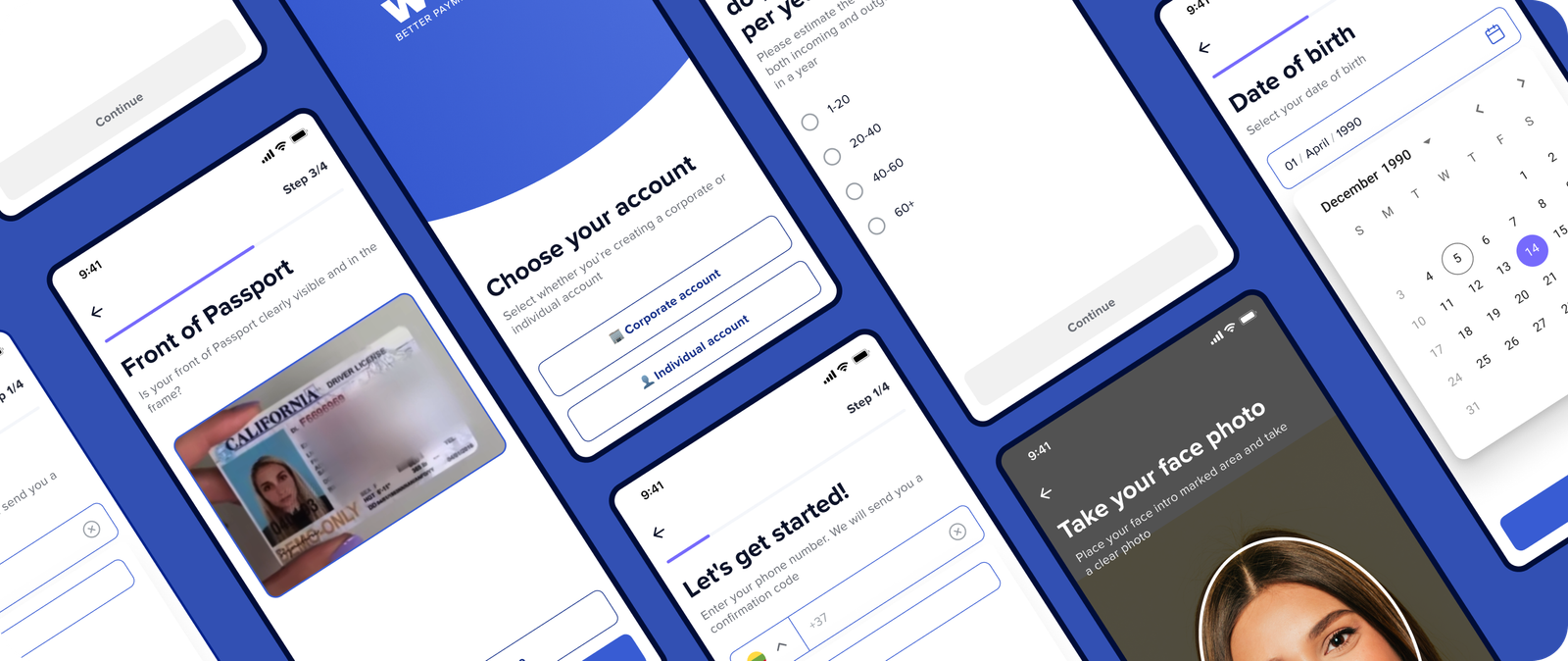
I redesigned Wallet’s business account onboarding experience, taking users from initial registration through business information, identity verification, and completion requirements.
The challenge was to make a complex, compliance-driven process feel simple and predictable while balancing customer needs, regulatory requirements, business objectives, and technical constraints.

↓ 24% onboarding drop-off
↑ 18% registration completion
↓ 30% verification-related support requests
↑ 22% completion of additional-information steps

My Role

Product Designer

Country

Europe

Platforms

Web / Mobile

Simplifying business account opening

problem

Opening a business account involved too much uncertainty.

Financial onboarding requires users to provide sensitive personal and company information, complete KYC/KYB checks, and submit supporting documentation. Wallet’s requirements can vary depending on factors such as company type, jurisdiction, incorporation date, and other parameters.

This created several UX challenges:

  • Multiple steps and requirements made the process feel complex.
  • Users could be unsure why certain information was being requested.
  • Identity verification introduced a transition between the registration flow and verification process.
  • Additional information requests could feel unexpected.
  • A lack of clear progress and expectations could increase drop-off and frustration.

solution

A guided, step-by-step onboarding journey
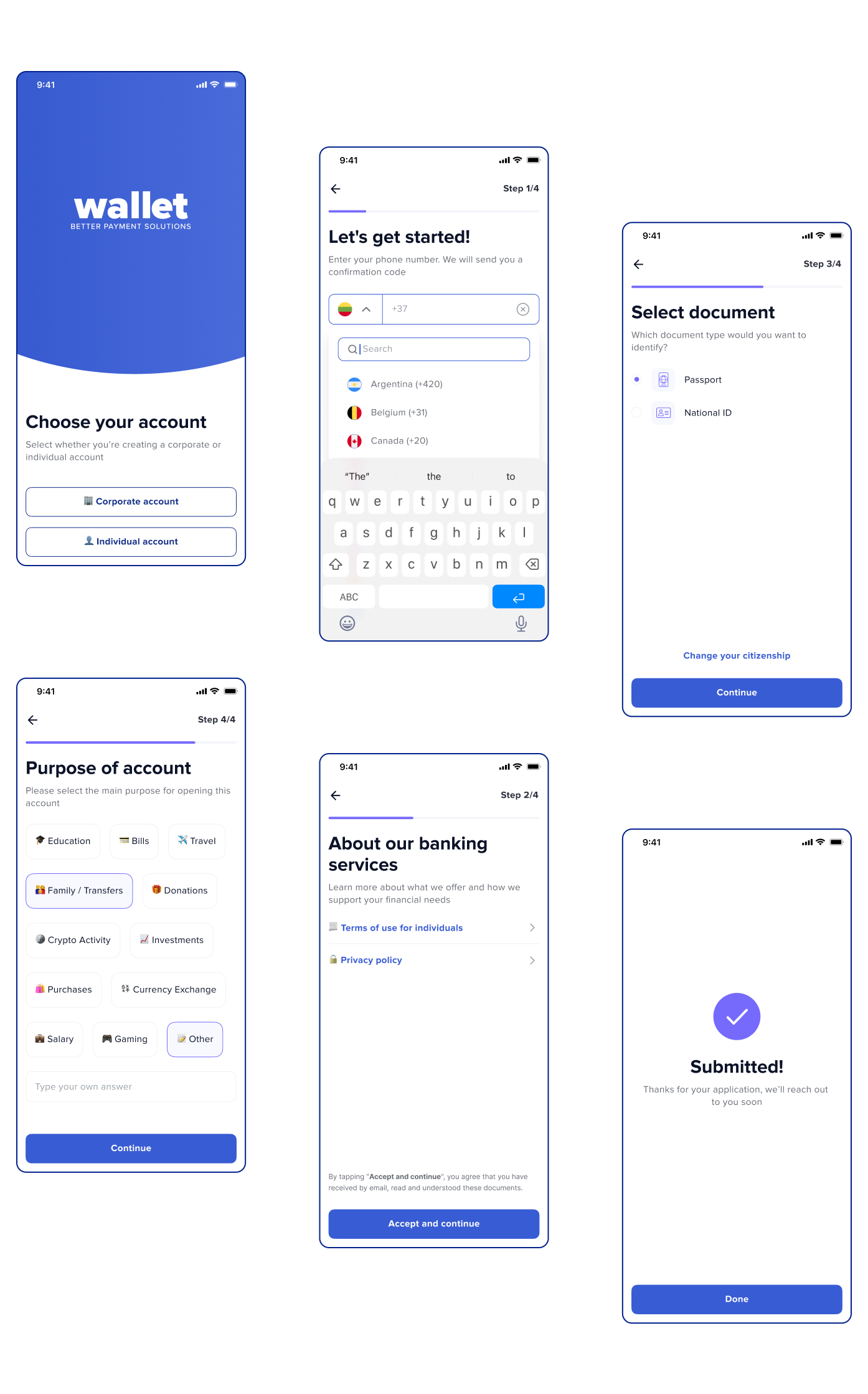
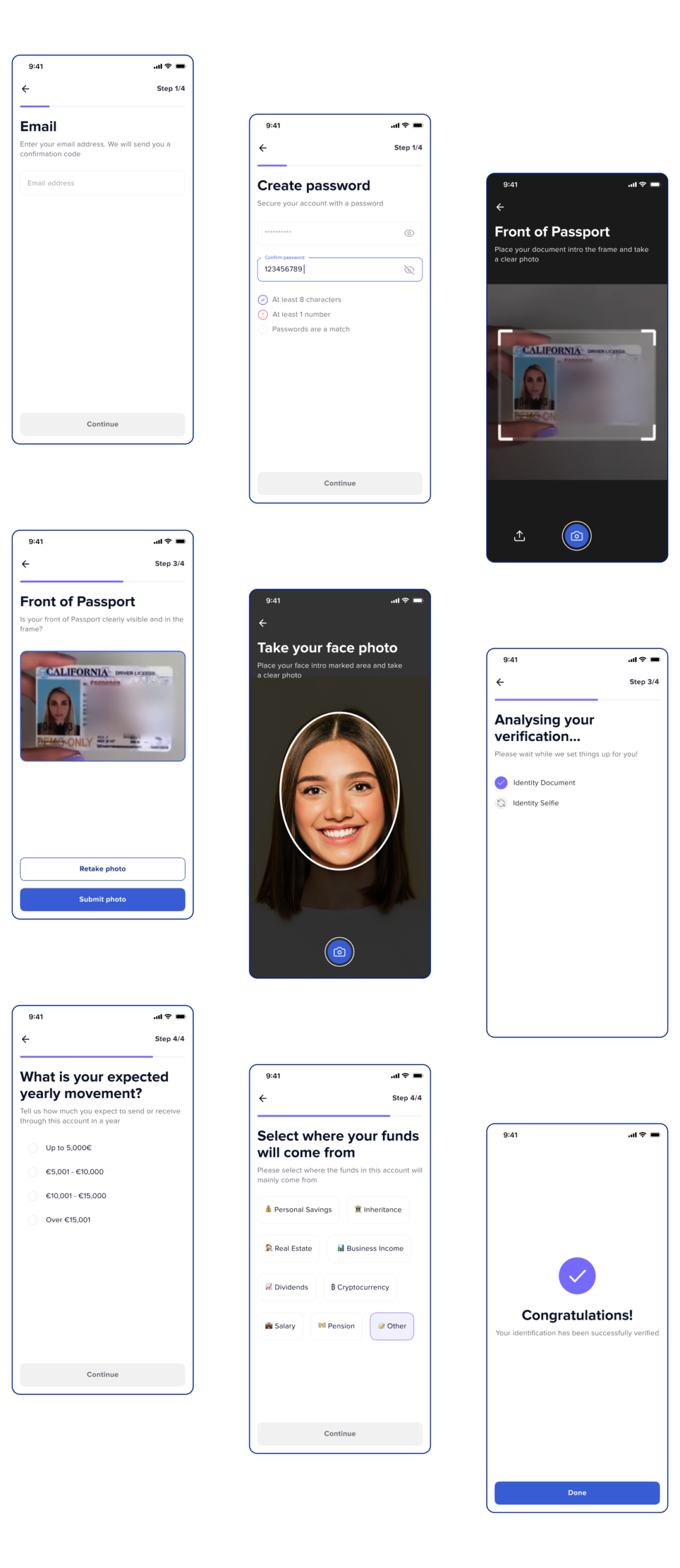
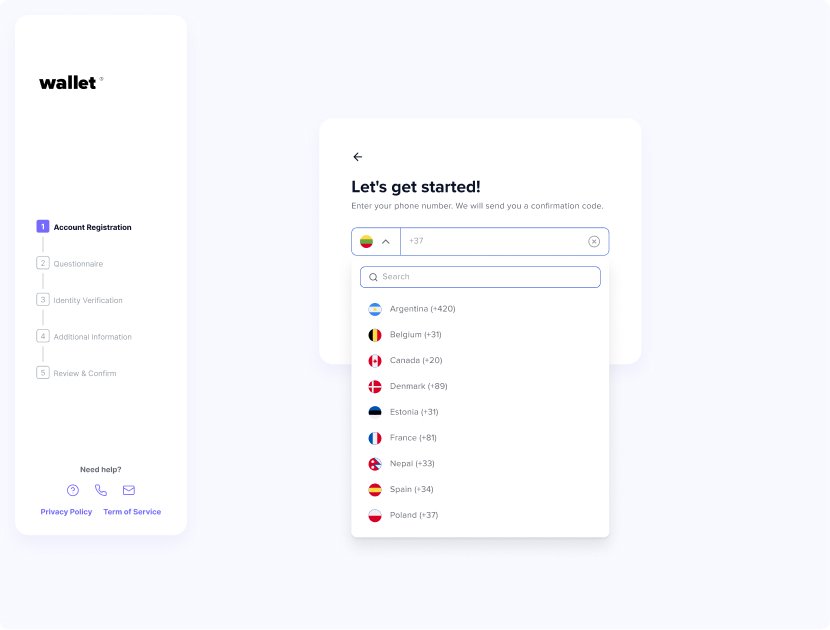
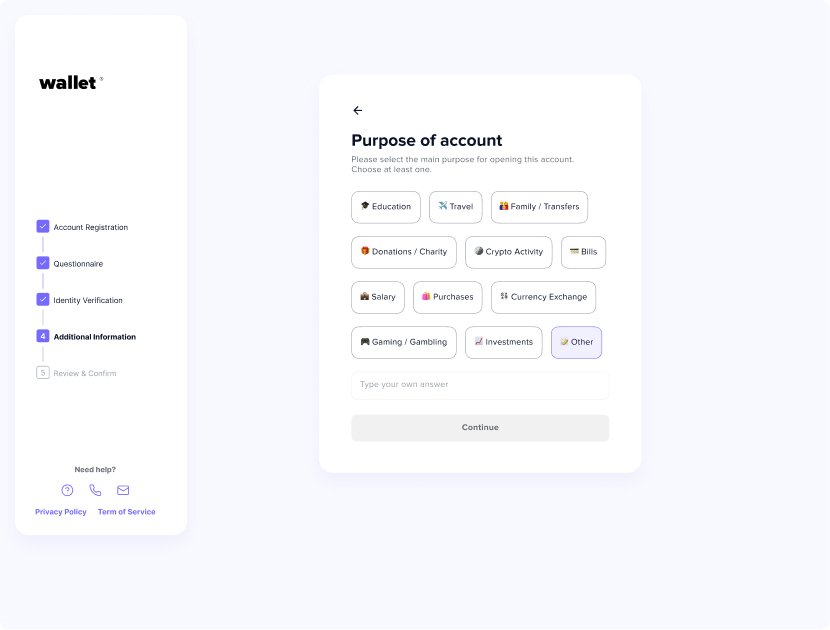
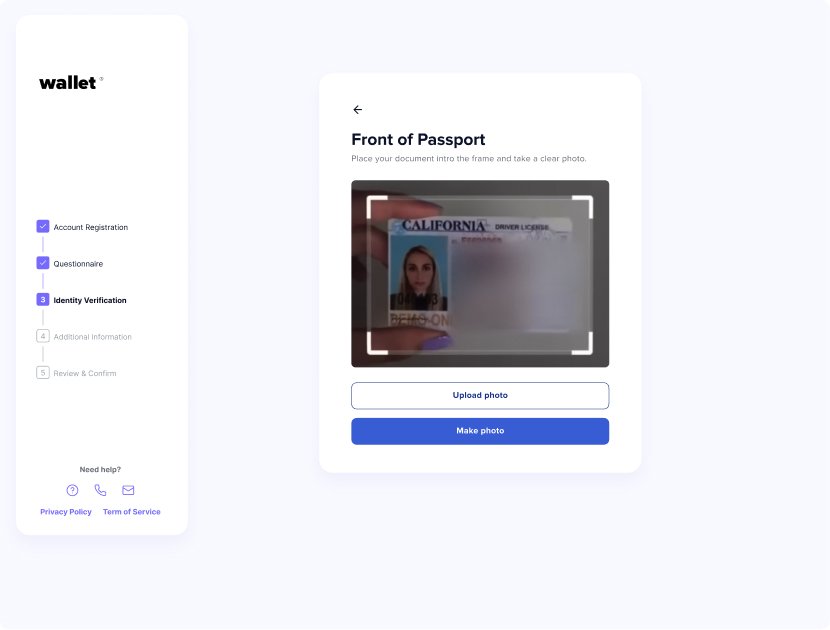
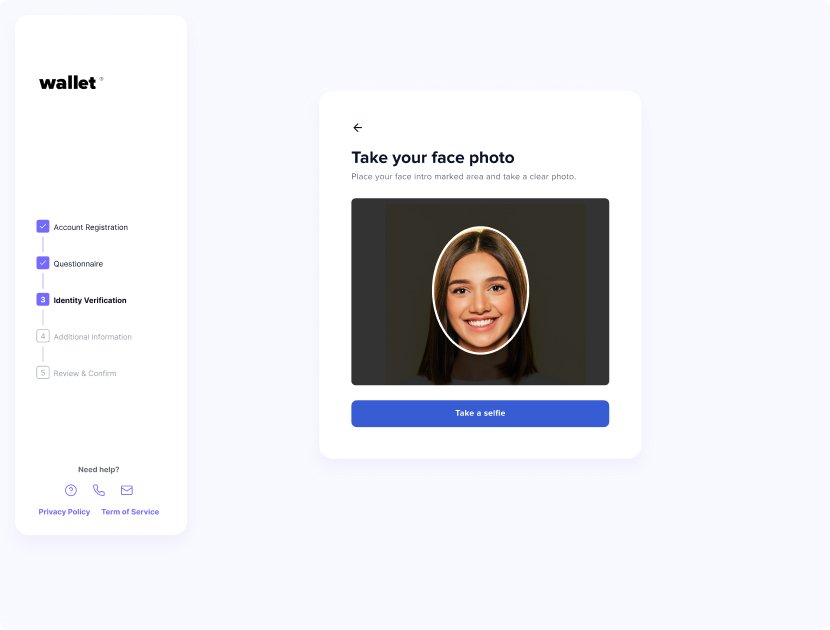
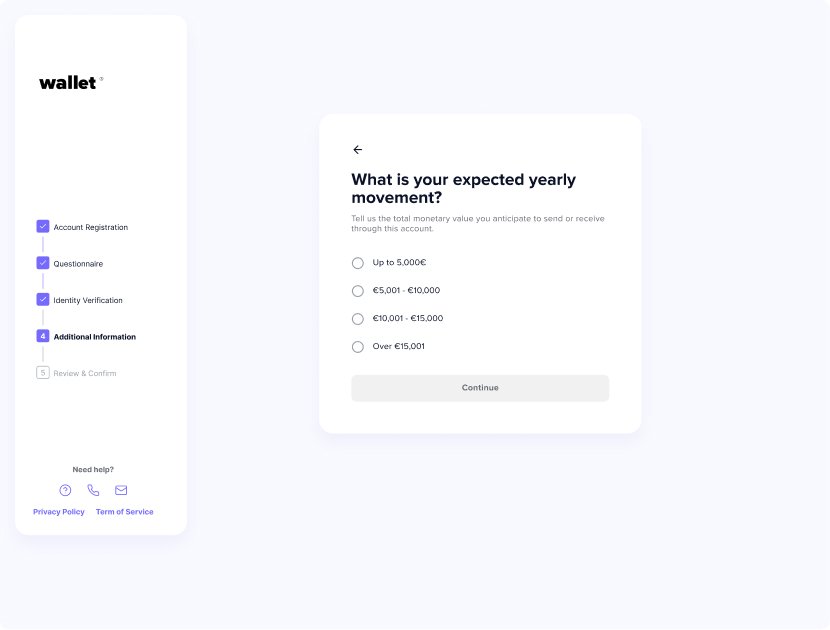
I structured the experience into four clear stages:

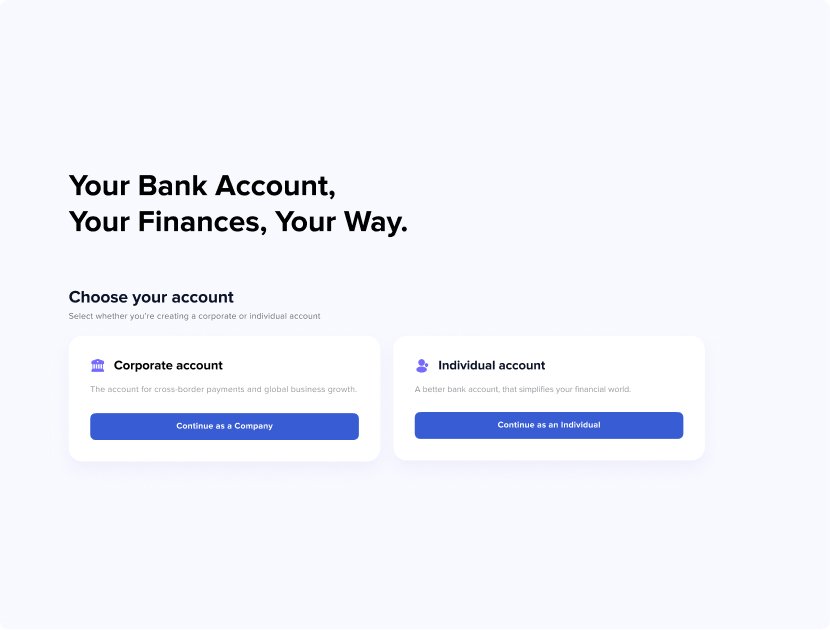
1. Account Registration
Users create their account and provide the essential information needed to start the application.
2. Questionnaire
A guided questionnaire collects business and user information while adapting the journey to the applicant’s circumstances.
3. Identity Verification
Users are guided through the identity verification process with clear instructions about the required documents and actions.
4. Additional Information
Users are prompted for any remaining information or documentation needed to complete the application.

Key UX improvements:

  • Clear progress
    Users can understand where they are in the onboarding journey and what remains.
  • Progressive disclosure
    Instead of presenting every requirement at once, the system requests information when it becomes relevant.
  • Clear expectation
    Instructions explain what users need to provide and what happens next.
  • Reduced cognitive load
    Complex compliance requirements are broken into smaller, manageable tasks.
  • Trust through transparency
    The experience communicates why information and documents are required, which is particularly important when users are sharing sensitive financial and identity information.

impact

Making business onboarding clearer and more actionable
The redesign created a more structured account-opening journey that helps customers understand:
Outcomes:

  • Created a clearer end-to-end business onboarding journey.
  • Reduced unnecessary cognitive load across multiple information-heavy steps.
  • Improved transparency around verification and additional requirements.
  • Established reusable patterns for complex forms and application states.
  • Created a clearer foundation for implementation across responsive experiences.
  • Improved alignment between Product, Design, Engineering and Compliance.

More projects

GoalSpark_cover

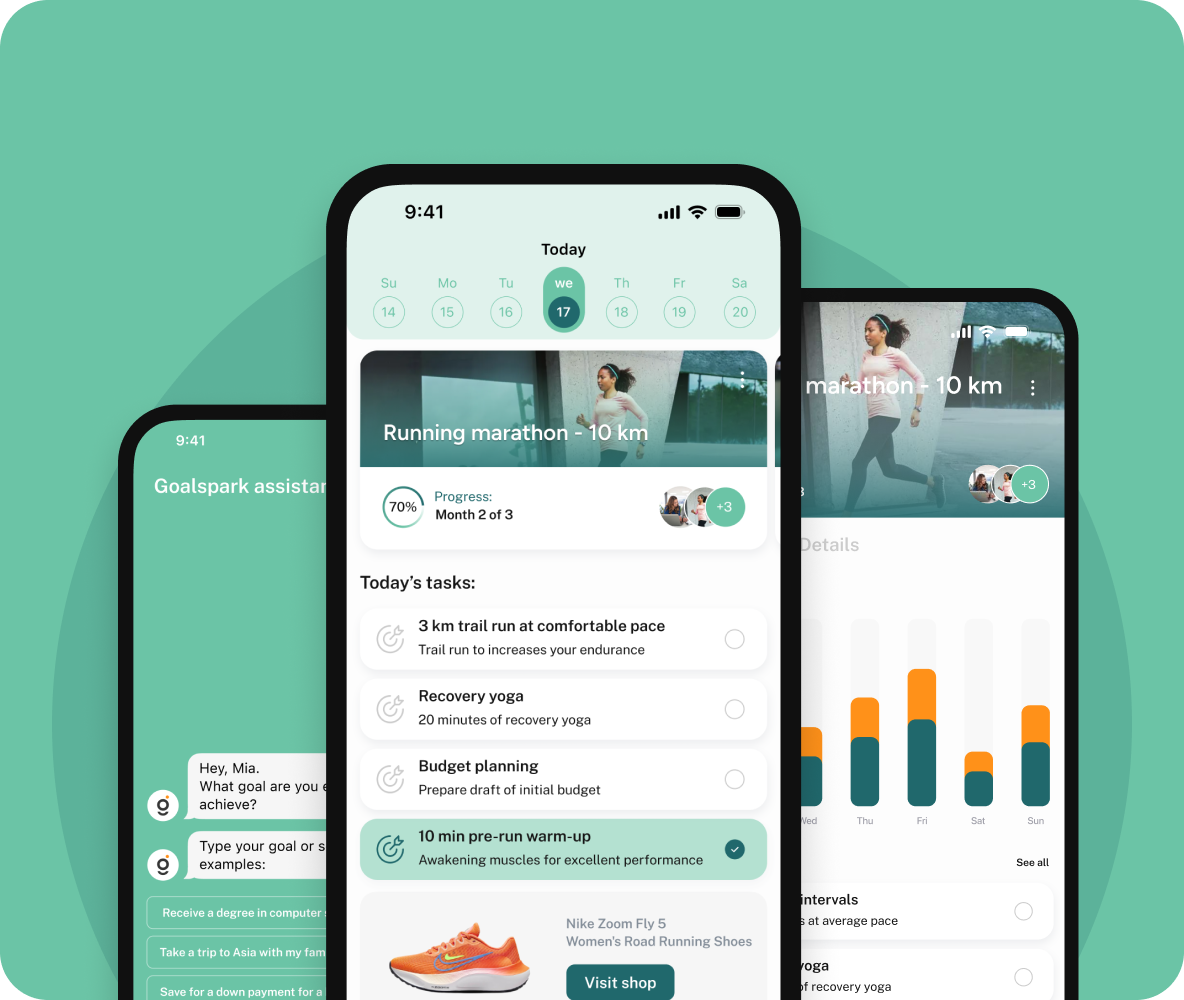
GoalSpark: AI-powered app for achieving the goals

I designed the MVP of an AI-powered goal platform that turns personal ambitions into consistent action

Ads_quiz_cover

AdsQuiz: AI-Powered Quiz Builder

I designed an AI-first quiz builder that turns simple prompts into structured quizzes

Let’s talk!

Open to new projects, collaborations, and conversations